Does Preoperative Carbohydrate Intake Reduces Postoperative Stress Response in Patients Undergoing Valve Replacement Surgeries

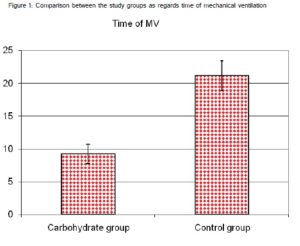
Cardiac surgery is a stress that causes insulin resistance leading to increased insulin requirements. The aim of our study was to evaluate whether preoperative oral intake of carbohydrate rich drinks could improve outcomes and reduce stress response post valve replacement cardiac surgeries.

View Full Article: HERE

Go through the Journal: http://www.enlivenarchive.org/anesthesiology-open-access

Contact Us: anesthesia@enlivenarchive.org

SMOFlipid versus Intralipid in Postoperative ICU Patients

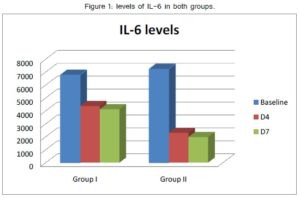
Lipids are important components of total parentral nutrition, especially for patients after major abdominal surgery. Traditionally used intralipid has many complications and can lead to increased infection rate and sepsis, that is why, it is not indicated in cases with low immunity and sepsis. So, in this study, we compared the effect of intralipid and SMOFlipid on the level of IL-6, in addition to lipid profile, liver enzymes, coagulation profile and renal functions.


View Full Article: HERE

Go through the Journal: http://www.enlivenarchive.org/anesthesiology-open-access

Contact Us: anesthesia@enlivenarchive.org

Patient Controlled Epidural Analgesia (PCEA) with or without Background Infusion using Fentanyl and Bupivacaine for Major Upper Abdominal Surgery

The aim was to compare, patient controlled epidural analgesia (PCEA) with demand bolus (Group A) versus demand bolus and continuous infusion (Group B) in terms of analgesic efficacy and side effects after major abdominal surgery. The primary outcome of the study was VAS score at rest and on coughing, number of demand and successful delivery of analgesia. The secondary outcomes evaluated were total fentanyl and bupivacaine doses, frequency of rescue analgesia, sedation scores and side effects.

No drug was given through epidural catheter passed preoperatively. Postoperatively, when VAS > 3, Patient Controlled Analgesia (PCA) pump was programmed to deliver on demand, 3.5 ml containing 10 mcg of Fentanyl and 2 mg of Bupivacaine in Group A with a lockout interval of 15 minutes. In Group B, continuous infusion of same solution at 3.5 ml/hr was also given. Patient was asked to rate the analgesia. Rescue analgesia was given with IV Tramadol 2mg/kg when VAS > 3 at rest despite three consecutive demands.


View Full Article: HERE

Go through the Journal: http://www.enlivenarchive.org/anesthesiology-open-access

Contact Us: anesthesia@enlivenarchive.org


Hemodynamic Assessment and Monitoring in the Intensive Care Unit: an Overview

The goal of hemodynamic monitoring in intensive care is to assess the adequacy of perfusion, specifically with regard to maintaining sufficient perfusion pressures and oxygen delivery. Precise volume management of peri-operative and critical care patients is crucial as under or over resuscitation is associated with adverse outcomes. Hemodynamic monitoring allows care to be individualized based on specific patient response to therapy and can provide early warning of impending perfusion deficits or instability. Physiologic monitoring aids determination of appropriate therapy.


View Full Article: HERE

Go through the Journal: http://www.enlivenarchive.org/anesthesiology-open-access

Contact Us: anesthesia@enlivenarchive.org

Cuffed Endotracheal Tube Size and Leakage in Pediatric Tracheal Models

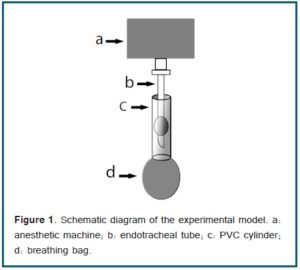
Cuffed endotracheal tubes are increasingly used in pediatric patients in the hope that they can reduce air leakage and tube size mismatch by just inflating the cuff. Authors compared influence of various tube sizes and different levels of cuff pressures to air leakage around the cuff, in artificial tracheal models.


View Full Article: HERE

Go through the Journal: http://www.enlivenarchive.org/anesthesiology-open-access

Contact Us: anesthesia@enlivenarchive.org

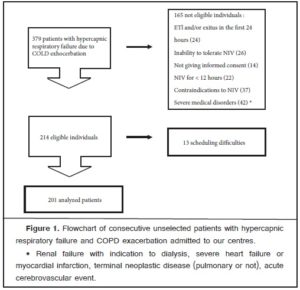
Predictors of Outcome in COPD Patients with Hypercapnic Respiratory Failure Requiring NIV

Background and Objectives:

Delay in identifying patients in whom NIV will be unsuccessful may postpone endotracheal intubation, increasing morbidity and mortality. Aim of this study was to determine factors associated with NIV failure in patients with COPD exacerbations.

Methods:

We retrospectively evaluated COPD patients with acute respiratory failure due to an acute exacerbation, undergoing NIV for at least 12 hours. Univariable analysis was performed on: age, gender, APACHE II, GCS, gas exchange at admission, during NIV and at discharge/death, length of stay. A ROC curve for the variable pH START (arterial pH value at admission) was performed and sensitivity,specificity, likelihood ratios and confidence intervals, were calculated.

Results:

Among 201 enrolled individuals, NIV failed in 50 subjects, leading to invasive ventilation and/or death. NIV succeeded in patients with: lower APACHE II (20.02±4.81 in succeeding group vs 24.84±6.35 in failing group, p<0.001) and PaCO2 at admission (93.10±15.08 vs 98.45±16.09, respectively, p=0.029) and after 2-4 hours of NIV (77.62±13.62 vs 82.12±15.24, respectively, p=0.044), and higher pH at admission (7.26±0.06 vs 7.23±0.08, respectively, p=0.033), and GCS (12.94±2.44 vs 11.24±3.32, respectively, p=0.001).

No variable was found to be able to predict NIV failure in patients with pH START >7.20 and ≤7.25, despite the high percentage of successes observed in this subset of individuals (81%).

Conclusion:

Further multicentric studies are needed to better define NIV indications, with special reference to pH thresholds.

View Full Article:  HERE

Go through the  Journal: http://www.enlivenarchive.org/anesthesiology-open-access/

Contact Us: anesthesia@enlivenarchive.org
 

Can Conjunctival Impression Cytology be the First Line Diagnostic Test for Evaluation of Dry Eye Syndrome?

Purpose: To determine how Conjunctival Impression Cytology (CIC), Schirmer test, Tear Film Break up Time (TBUT) and Rose Bengal Stain (RBS) correlate with dry eye symptoms. To calculate the sensitivity, specificity and likelihood ratio (LR) of these tests for diagnosis of dry eye.

Methods: A case control study was done at two referral eye centers in northern part of the Indian subcontinent. Symptomatic patients with dry eye were recruited based on their response to a questionnaire of dry eye related symptoms (Table 1). Age and sex matched healthy subjects served as controls. Sensitivity and specificity, as estimated by the area under receiver operating characteristic (ROC) curve were primary outcome measures and the correlation between dry eye symptoms (DESS) and ocular surface tests, were secondary outcome measures.

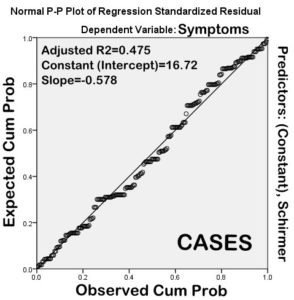
Results: Eyes of 320 symptomatic patients were compared to 350 eyes of age and sex matched healthy controls. The mean symptom score in cases and controls was 8±2.6 and 1.2±2, respectively (P<0.001). The diagnostic accuracy of these tests was CIC (AUC=0.957) >TBUT (AUC=0.793)>Schirmer (AUC= 0.765)>RBS (AUC=0.723). There was a stronger correlation between symptoms, CIC (Pearson’s coefficient, Adjusted R2=0.774) and TBUT (R2=0.580). However, the correlation of RBS (R2=0.361) and Schirmer (R2=0.475) with dry eye symptoms although positive, was less significant (R2<0.5).

Conclusions: CIC correlates best with dry eye symptoms and has excellent specificity and sensitivity in diagnosing dry eye as compared to other tests evaluated in the study.


View Full Article: HERE

Go through the journal: http://www.enlivenarchive.org/clinical-ophthalmology-research

Contact Us: clinicalophthalmology-research@enlivenarchive.org


Efficacy of the Selective Laser Trabeculoplasty in Exfoliation and Primary Open-Angle Glaucoma

Purpose: This is comparative study for evaluation of the efficacy and lastingness of intraocular pressure (IOP) reduction of selective laser trabeculoplasty (SLT) in exfoliation (EG) and primary open-angle (POAG) glaucoma.

Methods: 48 patients with EG and 48 with POAG were recruited to the study. The angle grade 3 and 4, by Shaffer, were considered to be open. Trabecular meshwork (TM) pigmentation was graded from 0 = no pigmentation, to 4 = dense pigmentation. TM was treated with a 532-nm frequency-doubled, Q-swiched Nd:YAG laser, energy ranged from 0.7 to 2.0 mJ. IOP were measured during one year follow-up.

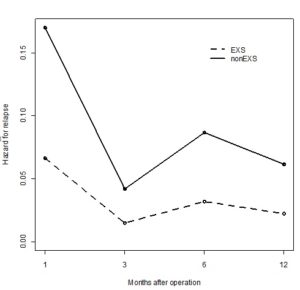
Results: Patients in the EG group were older than in POAG group and had significantly more pigmented TM. The mean baseline IOP in the EG group was 24.1 (± 4.5) and 23.7 (± 3.3) in the POAG group and in the end of the one-year follow-up 18.6 (± 3.7) and 18.4 (± 2.5) mmHg respectively with no significant difference between two groups. The 12-month success rate was 87.3% and 69.7% in the EG and POAG patients, p= 0.05. Interaction between exfoliation syndrome (EXS) and the energy of the laser, not the level of TM pigmentation was significant predictor of the IOP rise during the follow-up. The odds of a relapse are 2.98 times lower for patients with EXS.

Conclusions: SLT is effective and reduction of IOP is long-lasting in EG and POAG patients. Exfoliative material independently from TM pigmentation seems to have influence to results of SLT.

View Full Article: HERE

Go through the journal: http://www.enlivenarchive.org/clinical-ophthalmology-research

Contact Us: clinicalophthalmology-research@enlivenarchive.org


Evaluation of Antioxidant Activity of Averrhoa bilimbi Linn. Fruit Juice in Paracetamol Intoxicated Wistar Albino Rats

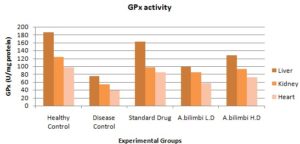
Free radicals are reactive molecules involved in many physiological processes and human diseases. As a result of which, much attention has been directed towards the studies regarding free radical scavenging activity or antioxidant activity of plants and plant extracts. The present study was undertaken to assess the antioxidant potential of fresh fruit juice of Averrhoa bilimbi in the paracetamol intoxicated Wistar albino rats. The rats were divided into five groups of six animals each comprising of Healthy Control, Disease Control (paracetamol challenged), Standard Drug treated (paracetamol and silymarin), Test extract treated (paracetamol and A. bilimbi) with Lower Dose (LD) (250 mg/kg b.wt) and Higher Dose (HD) 500 mg/kg b.wt). Blood and tissue samples were collected and biochemical investigations were carried out. The antioxidant parameters including Superoxide dismutase (SOD), Glutathione, Glutathione peroxidise (GPx) levels were evaluated. The study showed that A. bilimbi extract had increased the antioxidant activity significantly both in blood and tissues of animals and the efficacy of the extract was dose dependent. The phytochemical studies showed the presence of flavanoids, phenols, and glycosides in the extract. The antioxidant property of A. bilimbi may be the contribution of these phytoconstituents.


View Full Article: HERE

Go through the Journal: http://www.enlivenarchive.org/toxicology-allied-clinical-pharmacology

Contact Us: clinicaltoxicology@enlivenarchive.org

Methamphetamine, “Bath Salts,” and other Amphetamine-Related Derivatives: Progressive Treatment Update

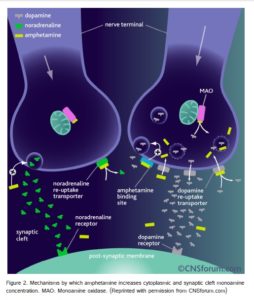
Background: The abuse and accidental overdose of both prescribed and illicit amphetamine and related compounds such as methamphetamine, “bath salts,” methylphenidate, cathinone (“khat”), and MDMA (“ecstasy”) is a worldwide problem affecting millions. Patients experiencing toxicity from these drugs frequently present to the emergency department and may have serious consequences from their hyperadrenergic state, such as acute coronary syndrome, stroke, acute heart and renal failure.


View Full Article: HERE

Go through the Journal: http://www.enlivenarchive.org/toxicology-allied-clinical-pharmacology

Contact Us: clinicaltoxicology@enlivenarchive.org