Barrett’s Esophagus and Adenocarcinoma of Esophagus

Barrett’s esophagus is a premalignant lesion detected in the majority of patients with esophageal and gastroesophageal adenocarcinoma, which are associated with a low rate of survival (5-year survival rate, 15 to 20%). The annual incidence of esophageal cancer for the general population of patients with Barrett’s esophagus is approximately 0.5% per year. In the past, the incidence of gastroesophageal reflux disease (gastroesophageal reflux disease, GERD) in Western countries is much higher than Asian countries, which is about 2-4 times. But in recent decades statistics have found that the incidence of GERD in Asian countries has significantly increased. In Singapore, the prevalence of GERD increased from 4.3% to 10% between 1992 to 2001, in South Korea from 1.8% to become 9.1% ( 10 years period ), in Taiwan from 5% to 12.6% between 1995 to 2002. And the prevalence was increased up to 25% in taiwan (between 2008 and 2009). Chronic GERD is the major risk factor of Barrett’s esophagus. Endoscopic surveillance has become the standard of practice for patients with Barrett’s esophagus based on the unproven assumption that the practice will reduce deaths from esophageal adenocarcinoma and thereby prolong survival. The patients with Barrett’s esophagus who are most likely to benefit from endoscopic eradication therapy are those with esophageal adenocarcinoma limited to the mucosa and those with high-grade dysplasia.


View Full Article: HERE

Go through the Journal: http://www.enlivenarchive.org/challenges-in-cancer-detection-and-therapy

Contact Us: cancer@enlivenarchive.org
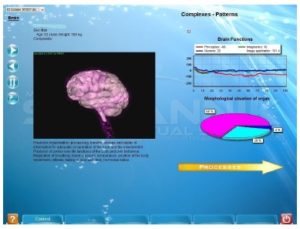
 

A Report of the Ability of Strannik Virtual Scanning to Screen the Health of a Randomly Selected Cohort of Patients

There is recognition of the limitations of contemporary biomedicine. Coincidently, there is increasing pressure from governments  to explain the
fundamental causes of pathological onset, to move to a preventative healthcare model, to determine the onset of pathologies from their earliest
presymptomatic onset, to integrate different modalities to improve the quality of the treatment and the recovery after treatment, and  to reduce the
fundamental cost of healthcare.

View Full Article: HERE

Go through the Journal: http://www.enlivenarchive.org/neurology-and-neurotechnology

Contact Us: neurology-neurotechnology@enlivenarchive.org

Schwannoma of Lumbar Spine: A Medical Case Study

Schwannomas refer to benign, encapsulated tumors that derive from the nerve sheath. This report presents the case of a 53 year old patient with chronic
back pain which was initially misdiagnosed as unilateral meningoceles but, later on, MRI scan with contrast disclosed the presence of lumbosacral
schwannoma which appeared as solid heterogeneous lesion which would lie within and expand the left neural exit foramen, extending into the
paravertebral soft issues with marked mass effect on the adjacent psoas muscle. Instead of surgically removing the schwannoma, musculoskeletal
imaging guided nerve root injection of corticosteroid was administered to the patient as a palliative treatment. Clinical and radiological features of this
rare and often misdiagnosed medical finding will be accentuated in this case report and treatment strategy will be discussed.

View Full Article: HERE

Go through the Journal: http://www.enlivenarchive.org/neurology-and-neurotechnology

Contact Us: neurology-neurotechnology@enlivenarchive.org

A Comparison of the Aims and Objectives of the Human Brain Project with Grakov’s Mathematical Model of the Autonomic Nervous System (Strannik Technology)

This article makes a comparison between the Strannik technology which was developed during the period 1982-present by Dr Igor Gennadyevich Grakov
and the EC Human Brain Project.


View Full Article: HERE

Go through the Journal: http://www.enlivenarchive.org/neurology-and-neurotechnology

Contact Us:neurology-neurotechnology@enlivenarchive.org


The Role of Magnetoencephalography in Neurology and Neurotechnology

Magnetoencephalography (MEG) is the detection of magnetic fields produced by the neuronal activity in the cortex . The magnetic field measurable outside the head is produced by intracellular current flow in the active neurons. The main contributors to MEG and electroencephalography (EEG) signals are considered the dendrites of pyramidal neurons aligned in parallel. The EEG is determined by the distribution of extracellular volume currents, generated by the intracellular currents.


View Full Article: HERE

Go through the Journal: http://www.enlivenarchive.org/neurology-and-neurotechnology

Contact Us: http://www.enlivenarchive.org/contact.php


Culinary Herbs and Spices: The Challenge of Determining their Significance in the Maintenance of Health

Knowledge of the bioactive properties of a food’s constituents can be used to provide indications that the whole food confers benefit in the context of maintaining health by protecting against disease development. However, there are examples of studies in which the protective properties of bioactive constituents do not appear to manifest when the whole food is given/ consumed as part of an intervention [1,2]. Some may thus ask, what is the use of research on bioactive food constituents? However, a far more pertinent question is, how can such research be developed so as to provide further insights into the true benefit of the whole food?

Full Article: HERE

Go through the Journal: http://www.enlivenarchive.org/dietetics-research-and-nutrition/

Contact Us: nutritiondietetics@enlivenarchive.org


Nutritional risk and malnutrition in elderly patients recently hospitalized

Introduction:
High prevalence of malnutrition in the growing population of older adults makes nutritional screening mandatory for hospitalized elderly patients.

Objective:
Identify nutrition risk and the odds ratio of nutritional screening data of elderly (≥ 65 years old) to adult (21 to 64 years old) patients recently admitted to a tertiary hospital.

Casuistic and Methods:
We applied the Subjective Global Assessment (SGA) protocol in 2478 patients within 48 hours after admission to a public hospital. Subjects were divided into Elderly Group (n = 733) and Non-elderly Group (n = 1745). The data were submitted to Chi-Square test. The quantification of this association was measured using logistic regression models.

Results:
Elderly patients showed a high percentage of nutritional risk or mild/moderately malnourished (41 vs. 32%). The prevalence of severe malnourished was similar between the study groups (10 vs. 9%).

Results of logistic regression showed the odds ratio (OR) of elderly patients were greater for weight loss (OR=1.30), in quantity (OR=1.29) and consistency of food (OR=1.85) changes in the pattern of food intake, anorexia (OR=1.69) and dysphagia (OR=1.56), when compared to the adults. Besides that, elderly patients presented greater risk of diseases with increased metabolic demand and clinical signs of nutritional deficiencies.

Conclusions:
Prevalence of nutritional risk and malnutrition was high in the patients evaluated, and elderly subjects showed higher nutritional risk when compared to other hospitalized patients.These results can be attributed to changes in the pattern of food intake due to anorexia and dysphagia, associated with higher prevalence of diseases with increased metabolic demand.

Full Article: HERE

Go through the Journal: http://www.enlivenarchive.org/dietetics-research-and-nutrition/

Contact Us: nutritiondietetics@enlivenarchive.org

Polyphenols for an Increased Ability to Cope with Environmental Toxicants

Human exposure to environmental toxicants is inevitable, but there is evidence that certain pollutants (e.g. heavy metals and air particulate matter) contribute to major diseases, such as neurodevelopmental and metabolic disorders, cardiovascular disease and some cancer types.

Nutrition can be a means of reducing the disease vulnerability associated with environmental exposures. In this work, the potential of dietary polyphenols to modify environmental and occupational toxicant-induced pathologies is discussed. Published data on the effects of flavonoids, hydroxycinnamic acids, resveratrol and other polyphenols in in vitro and in vivo models show that different compounds can modulate key pathological processes implicated in those diseases. Polyphenols can attenuate oxidative stress, inflammatory response, cell death and carcinogenesis, and modulate other specific mechanisms triggered by toxic pollutants, including by the persistent polychlorinated biphenyls and polycyclic aromatic hydrocarbons.

The critical analysis of the current knowledge in this subject at the interface of nutritional and environmental sciences encourages further research. A deeper understanding of toxicants chronic effects and polyphenol protective mechanisms is expected to advise future nutritional intervention studies.

Full Article: HERE

Gothrough the Journal: http://www.enlivenarchive.org/dietetics-research-and-nutrition/

Contact Us: nutritiondietetics@enlivenarchive.org


Clinical Effect of Fibre Supplement in Patients with Ulcerative Colitis Treated with 5-ASA

Ulcerative colitis (UC) is frequently treated with 5-ASA in active disease or to maintain remission. As dietary fibres binds 5-ASA in vitro, we wanted to investigate if a daily supplement of 30 ml of Isphagula Husk in patients with UC in remission or relapse affects disease activity and urinary excretion of 5-ASA.

It is a paired intervention study (trial I) and randomised controlled trial (trial II). The participants with UC in remission received 30 ml of fibre/day (trial I). Participants with relapsing UC were randomised to either 30 ml of fibre or blended breadcrumbs for two-three months (trial II).

The main outcome measures is C-reactive protein and 24 hours’ urine collection of total 5-ASA (trial I). In trial II the disease activity was determined by Inflammatory Bowel Disease Questionnaire (IBDQ) and Simple clinical colitis activity index (SCCAI) questionnaires.

22 participants with UC in remission and 12 with relapsing UC were included. In trial I no significant effect of fibre on CRP or on disease activity was found, whereas a decreased urinary excretion by a median of 6.3 percentage point (range: -50.6-33.6; p=0.03) of total 5-ASA was found. No significant differences were found between fibre and placebo groups in trial II.

A decreased urinary excretion of total 5-ASA was seen in patients with UC in remission, but not in patients with relapsing UC. The number of patients was low and different factors could affect the results, but the results confirm that the in vitro results can be reproduced in patients.

Full Article: HERE

Go through the Journal: http://www.enlivenarchive.org/dietetics-research-and-nutrition/

Contact Us: nutritiondietetics@enlivenarchive.org


Food Influence Kinetics and Effects of Drugs. Do We Have Major Problems?

It has been a while since I noticed a comprehensive review about food and drugs interactions [1], but even at that time a large number of problems were noted. Drug-drug interactions have received much more attention than food-drug interactions during the last decades. The problems with interaction between food intake and drug kinetic are predominantly on the absorption level. Meals delay gastric emptying and thereby the delivery of drugs to the absorptive sites in the most proximal parts of the small intestine. Drugs are bound chemically to food components probably predominantly by hydrogen bonds or even weaker, but sometimes ionic bonds too. Again, this means a delay in absorption of the drug and lower concentrations in both portal and peripheral blood. Most of the documented interactions are of major importance for the patient, being in the size of order of 50% either increase or decrease in plasma concentrations. Another interaction happens in the liver, if cytochromatic enzymes are blocked by food components. A good example is Felodipine used for arterial hypertension and grape fruit. The concentration of Felodipine is increased in plasma by around 300% because the elimination of the drug is markedly decreased [2]. Our knowledge about these interactions is typically from single meal studies, so we know very little about potential adaptions to the problems.

Full Article: HERE

Go through the Journal: http://www.enlivenarchive.org/dietetics-research-and-nutrition/

Contact Us: nutritiondietetics@enlivenarchive.org