Comparison of the Use of Epidrum with Air or Saline for Identifying the Epidural Space

Background

Identification of the epidural space has a critical role in epidural anesthesia. Epidrum® has been a recently developed air operated device used for identifying the epidural space. This study compares the usage of Epidrum® with saline or air to identify epidural space in performing epidural or combined spinal-epidural(CSE) anesthesia; by paying attention to the ease and duration of the application process, certainty of epidural space distinction, and possible complications.

Methods

Sixty ASA I or II patients between the ages of 18 and 60 years old scheduled for elective gynecologic, orthopedic or hip surgery under CSE anesthesia were enrolled in this study. The patients were randomly assigned to two groups: either, Epidrum® was used with air (Group A) (n=30) or with saline (Group S) (n=30).

Results

No significant differences were noted between the two groups in terms of the time taken to determine the epidural space or the number of attempts required to find it. Deflation time in Group A was statistically shorter than Group S (p=0.024). It was reported that Epidrum® usage with air was easier to apply (73% vs. 30%), and discrimination of the epidural space was more significant (63% vs. 13%) compared to saline (p=0.001 in both groups). No complications were recorded in both groups.

Conclusion

Despite more significant discrimination of the epidural space, shorter deflation time and ease of application of Epidrum® use with air versus saline, saline could be also used successfully in consideration of possible complications with air.

View Full Article: HERE

Go through the journal: http://www.enlivenarchive.org/anesthesiology-open-access/

Contact Us: anesthesia@enlivenarchive.org
 

Red Blood Cell Distribution Width and Mortality in ICU Patients; A Cross Sectional Retrospective Analysis Red Blood Cell Distribution Width and Mortality in ICU Patients

Introduction

The red blood cell distribution width (RDW) is a predictor of mortality in many conditions. We investigated the prognostic value of RDW in the general ICU population.


Methods

Two hundred and seventy-four patients were enrolled into this retrospective, cross sectional study in general full range ICU. Patients with history of recent blood transfusion, hematologic disorder and length of stay (LOS) ≤ 48 hours in ICU were excluded. The identification of these patients was performed via the central medical database of our hospital retrospectively. The patients were classified according to their age, LOS and clinical outcomes. The RDW values were recorded upon ICU admission (RDW-0) on 4th, 10th, 20th and 30th days respectively in ICU. The RDW value of the last blood sample was termed as RDW-last, and RDW-last% was defined with the percentage of RDW-last/RDW-0.

We used Student’s t test and Mann Whitney U test to compare the groups. Repeated measures and parameters were analyzed using ANOVA and paired t tests. Logistic regression and ROC tests were also performed to determine the efficiency of the parameters for prognosis.


View Full Article: HERE

Go through the Journal: http://www.enlivenarchive.org/anesthesiology-open-access

Contact Us: anesthesia@enlivenarchive.org


Nefopam Vs Fentanyl in Female Patients Undergoing Laparoscopic Cholecystectomy

Nefopam is a non-opioid drug that inhibits reuptake of serotonin, norepinephrine, and dopamine. Nafopam is equipotent with opioids (morphine andmeperidine) and can decrease postoperative nausea and vomiting (PONV) by morphine sparing effect. So, we compared postoperative pain and PONV between female patients who received nefopam and fentanyl after laparoscopic cholecystectomy (LC).

Methods: Patients were randomly assigned to two groups: those who received fentanyl 1 μg/kg at skin closure (Group F, n=31) and those who received nefopam 30 mg mixed with normal saline 500 ml for 30 minutes during surgery (Group N, n=31). General anesthesia was induced with lidocaine 40 mg, propofol 2 mg/kg, and rocuronium 0.6 mg/kg and was maintained with desflurane and remifentanil 0.5 -1.5 μg/kg/min. Postoperative pain is assessed using visual analogue scale (VAS). VAS, rescue analgesics (fentanyl and ketorolac doses), and PONV were evaluated for 0-2 hr, 2-6 hr, 6-12 hr, and 12-24 hr after surgery.

Results: Age-adjusted VAS significantly decreased during the four assessment time periods in both groups (p< .0001). There were no significant differences between the two groups in fentanyl (p =0 .163) and ketorolac (p = 0.676) doses and PONV.

Conclusion: The analgesic effects of nefopam and fentanyl administered after LC in female patients were not significantly different. Nefopam is not inferior to fentanyl for pain control of LC.

View Full Article: HERE

Go through the Journal: http://www.enlivenarchive.org/anesthesiology-open-access/

Contact Us: anesthesia@enlivenarchive.org
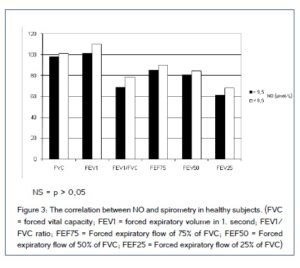
 

The Correlation Between Nitric Oxide Levels and Spirometry in Dialyzed Patients Compared to Healthy Subjects

Several studies demonstrated increase in plasma concentration of nitric oxide (NO) in dialyzed patients (hemodialysis – HD and peritoneal dialysis – CAPD) compared to healthy control subjects. However, the effects of NO on respiratory function in these patients are less known. The aim of this study was to determine the potential differences in spirometry related to the serum levels of NO.


View Full Article: HERE

Go through the Journal: http://www.enlivenarchive.org/nephrology-and-renal-studies-open-access

Contact Us: nephrology-renalstudies@enlivenarchive.org

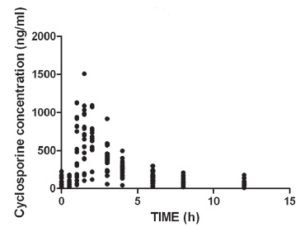
Cyclosporine (Equoral®) Population Pharmacokinetics and Bayesian Estimation in Tunisian Renal Transplant Recipients

Objectives:
Equoral® is a generic formulation of cyclosporine widely used in Tunisian renal transplant patients. The purposes of this study were to explore the
pharmacokinetic variability of Equoral® in Tunisian renal transplant, to develop a population pharmacokinetic model and a MAP-BE of Equoral®
PK parameters and global exposure.


VIew Full Article : HERE

Go Through The Journal : http://www.enlivenarchive.org/surgery-and-transplantation

Contact Us : surgery-transplantation@enlivenarchive.org

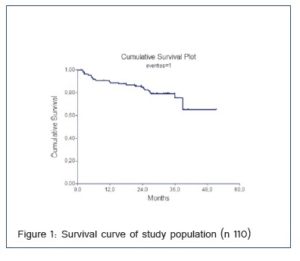
Neonatal Chylothorax in a Level III Neonatal Intensive Care Unit

Introduction Neonatal chylothorax results from the accumulation of chyle in the pleural spaceand may be either a congenital or an acquired condition. Objectives To determine the etiology, clinical course and responseto treatment of neonatal chylothorax. Methods Retrospective observational study of all newborns with the discharge diagnosis of chylothorax between 2000 and 2015 in a tertiary neonatal intensive care unit. Results Seven cases of chylothorax were reported and all were preterm (gestational age 32-36 weeks):four congenital and three traumatic. One case of congenital chylothorax was idiopathic and the others were associated with hydropsfetalis (n=1), Noonan Syndrome (n=1) and Trisomy 21 (n=1).Traumatic chylothorax occurred after surgical repair of congenital diaphragmatic hernia (n=2) and esophageal atresia (n=1). Treatment consisted of pleural taps, total parental nutrition, and respiratory support as required. Four cases who did not respond to total parental nutrition were successfully treated with continuous infusion of octreotide. Resolution time of chylothorax ranged between 15 and 86 days.Two newborns died. Conclusion Clinical outcome of chylothorax is generaly good but etiology seems to be decisive in the evolution, with more prolonged course and associated morbility in congenital cases. Octreotide seems to be an important adjuvant treatment among the conservative strategies and appear to have a good safety profile in newborn. More studies are still necessary to investigate all aspects of octreotide treatment to determine the amount of its dose, initiation time and treatment duration


View Full Article : HERE

Go Through The Journal : http://www.enlivenarchive.org/pediatrics-and-neonatal-biology

Contact Us : pediatrics-neonatal@enlivenarchive.org


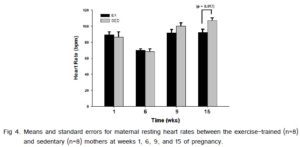
Impact of Maternal Exercise during Pregnancy on Arterial Function and Atherosclerosis Formation in Swine Offspring Fed a High Fat Diet

This research article examining the influence of maternal exercise during pregnancy on vascular function in the offspring adds vital knowledge to the area of exercise physiology, fetal programming, and obstetrics research. An abundant amount of research has established the role of maternal behaviors during pregnancy on offspring health. However, much of this research has examined adverse maternal behaviors, such as smoking, drinking, stress, and over and undernutrtion, and their influence on offspring health. Research has shown that these adverse maternal behaviors can influence offspring development in utero and produce offspring that are small or large for gestational age. Changes in growth in utero can lead to greater susceptibility for diseases such as obesity, diabetes, and cardiovascular disease in the offspring later in life. Therefore, the data generated from research examining adverse maternal behaviors has helped health practitioners provide knowledge to pregnant women in order to potentially prevent or decrease the offspring’s risk for developing diseases in adulthood. While considerable research has been conducted examining the role of adverse maternal behaviors, far less has studied the impact of positive maternal behaviors, such as exercise, and in the role they play in fetal programming.


View Full Article : HERE

Go Through The Journal : http://www.enlivenarchive.org/gynecology-and-obstetrics

Contact Us : gynecology-obstetrics@enlivenarchive.org


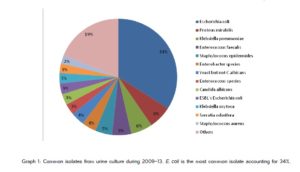
A Review of Empirical Treatment of Urinary Tract Infections Based on National Antimicrobial Sensitivity Data

The Namibia Standard Treatment Guidelines (STGs) recommends empirical antibiotic treatment in patients with signs and symptoms of Urinary tract infections (UTIs). The goal of UTI treatment is to eliminate the bacteria from the urinary tract. Efficacy of empirical antimicrobial treatment of UTI depends on the sensitivity of common microorganisms, the level of the antimicrobial load in the urine and the duration of treatment. The objective of this study was to identify the common uropathogens that cause UTI, describe the sensitivity pattern of common isolates to antibiotics that are used in the treatment of UTI and recommend appropriate antibiotics for the empirical treatment of UTI in Namibia.


View Full Article: HERE

Go through the Journal: http://www.enlivenarchive.org/pharmacovigilance-and-drug-safety-open-access

Contact Us: pharmacovigilance-drugsafety@enlivenarchive.org