The Effect of Preemptive Oral Celecoxib on Pain Reduction and Opioid Consumption during Elective Herniorrhaphy

Introduction: Pain control is an important aspect in postoperative care. While opioids proved excellent analgesia undesirable side effects such as respiratory depression, nausea and vomiting, constitute major limitation. As a result, many surgical centers used NSAIDs for controlled acute pain of surgery. Celecoxib is NSAIDs that inhibits cox2, but it does not have GI side effect and coagulopathy disorder. The aim of this study was to determine the effect of preemptive celexib on pain score reduction and opioid consumption after herniorrhaphy.

Material and Method: This is a randomised double blinded clinical trial study which performed in Imam Ali and Khatam hospital in zahedan. 76 patients scheduled for elective herniorrhaphy were enroled in this study. Patients were divided into 2GROUPS; celexib group (n=38) and placebo group (n=38). Drugs (placebo or 200mg celexib) were given (oraly) 2 hours before operation to patients. All patients general anesthetized with midazolam (1-2mg), fentanyl (1-2μg/kg) for premedication; nesdonal (4-6mg/kg) and atracorioum (0.5mg/kg) for induction and propofol (100-200 μg/kg) for maintenance. Then pain score (vas score), heart rate, blood pressure was recorded in 2nd, 6th, 12th and 24th hours after tracheal extubation. Pain was treated with morphin 0.1 mg /kg in patients with vas score >4. Total Opioid consumption was recorded for 24hours.

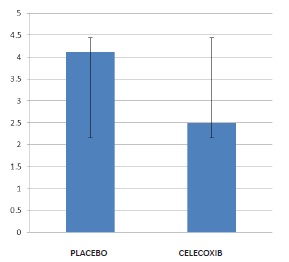
Results: Mean painless time in celexib group was higher than placebo group {12.7±9.8 to 5.38±8.3 (p=0.04)} and mean pain score of 2nd hour in the celexib group was lower than placebo {2.2±2.2 to 5.7±3.5 (p=0.003)}. The mean opioid used in celexib group was lower than placebo group {5.33±6.1 to 11.15±7.1 (p=0.02)}. But difference in mean of HR and BP between two groups wasn’t significant.

Conclusion: Preemptive clexib to be able to reduce pain score and consumption of opioid after hernirrhaphy.

View Full Article: HERE

Go through the Journal: http://www.enlivenarchive.org/anesthesiology-open-access/

Contact Us: anesthesia@enlivenarchive.org
Shoulder Pain Post-Laparoscopy Surgery: Ketoprofen-Tramadol Infusional Therapy

Introduction

Post-operative pain with difficult control, is a reality that can occur in patients undergoing laparoscopic cholecystectomy, it is good comprehensively assess the patient and give a painkiller scheme that ensures the absence of pain.

Objective

To compare the analgesic efficacy of tramadol-ketoprofen over a control group in three management schemes in infusional therapy; to control the painful entity (shoulder pain post-laparoscopy surgery).

Material and Methods

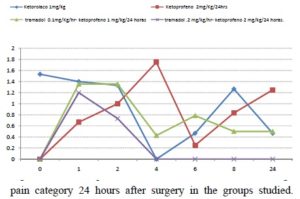
Clinical trial non-randomized; Group I (n = 15) managed with ketorolac 1mg/kg; Group II (n = 12) ketoprofen 100mg; Group III (n = 14) ketoprofen 50 mg plus tramadol 50 mg and Group IV (n = 15) ketoprofen 100 mg plus tramadol 100 mg. The variability analyzed was: Pain, pain bailouts, side effects and patient satisfaction.

Results

The highest intensity of pain was found in Group I (conventional) , unlike Group II and III where the predominant category was mild pain, the Group IV presents minimal pain events; 98% significance of p <0.01.

Conclusion

The analgesic efficiency of ketoprofen in infusional therapy is superior to the conventional administration of ketorolac; nevertheless the analgesic scheme handled with ketoprofen 100 mg plus tramadol 100 mg reaches the analgesic efficiency.

View Full Article: HERE

Go through the Journal: http://www.enlivenarchive.org/anesthesiology-open-access/

Contact Us: anesthesia@enlivenarchive.org
Postoperative Myocardial Infarction following Noncardiac Surgery; A Case Report

Postoperative myocardial infarction (PMI) is associated with mortality and morbidity in patients undergoing cardiac or noncardiac surgery. In this case report a patient with PMI and cardiac arrest with successful outcome is presented. Aspirin should not be routinely discontinued for elective noncardiac surgery, and the risks of stopping aspirin should be evaluated more seriously. Cardiac arrest in the postoperative care unit (PACU) may have better prognosis because diagnosis and apropriate cardiopulmonary resuscitation (CPR) can be performed immediately.

View Full Article: HERE

Go through the Journal: http://www.enlivenarchive.org/anesthesiology-open-access/

Contact Us: anesthesia@enlivenarchive.org
 

Comparison of the Use of Epidrum with Air or Saline for Identifying the Epidural Space

Background

Identification of the epidural space has a critical role in epidural anesthesia. Epidrum® has been a recently developed air operated device used for identifying the epidural space. This study compares the usage of Epidrum® with saline or air to identify epidural space in performing epidural or combined spinal-epidural(CSE) anesthesia; by paying attention to the ease and duration of the application process, certainty of epidural space distinction, and possible complications.

Methods

Sixty ASA I or II patients between the ages of 18 and 60 years old scheduled for elective gynecologic, orthopedic or hip surgery under CSE anesthesia were enrolled in this study. The patients were randomly assigned to two groups: either, Epidrum® was used with air (Group A) (n=30) or with saline (Group S) (n=30).

Results

No significant differences were noted between the two groups in terms of the time taken to determine the epidural space or the number of attempts required to find it. Deflation time in Group A was statistically shorter than Group S (p=0.024). It was reported that Epidrum® usage with air was easier to apply (73% vs. 30%), and discrimination of the epidural space was more significant (63% vs. 13%) compared to saline (p=0.001 in both groups). No complications were recorded in both groups.

Conclusion

Despite more significant discrimination of the epidural space, shorter deflation time and ease of application of Epidrum® use with air versus saline, saline could be also used successfully in consideration of possible complications with air.

View Full Article: HERE

Go through the journal: http://www.enlivenarchive.org/anesthesiology-open-access/

Contact Us: anesthesia@enlivenarchive.org
 

Asymptomatic Pheochromocytoma Interpreted as Non-Functioning Incidentaloma: A Major Challenge: Case Report and Review

Introduction
Adrenal incidentaloma (AI) is a result of easy availability of imagiological diagnostic techniques and may include many primary, metastatic, benign, and malignant entities, the majority of which are benign and nonfunctioning adrenal adenomas. However to 7% prove to be pheochromocytomas.

Case Report
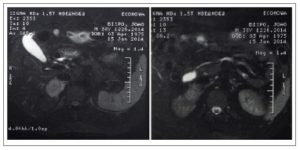
38 year old male with right adrenal adenoma associated co-morbidity was pre-diabetic without symptoms suggesting pheochromocytoma, biochemically with a borderline increase on urinary norepinephrine. He was proposed for laparoscopic right adrenalectomy with no preoperative pharmacological preparation. Intra operatively, the tumor manipulation resulted in manifestations typical of pheochromocytoma, refractory to treatment, with biochemical signs of myocardial ischemia.

Discussion

Usual recommendations are on favor of measuring plasma and urinary fractionated metanephrines in all patients with adrenal incidentaloma, this evaluation should be complemented with imagiological findings. There is no universal consensus on when to start preoperative preparation, in which patients or which pharmacological scheme should be used.

Conclusion

Based upon ours and reported experience, we recommend that every asymptomatic patient with adrenal mass and biochemical evaluation suggestive of pheochromocytoma should be preoperatively submitted to alpha-antagonism to avoid potentially life threatening hemodynamic fluctuations on intraoperative and postoperative period

View Full Article: HERE

Go through the Journal: http://www.enlivenarchive.org/anesthesiology-open-access/

Contact Us: anesthesia@enlivenarchive.org

Sugammadex: Safe for Ambulatory Surgery in Patients with ALS?

Amyotrophic lateral sclerosis (ALS) is an autosomal- dominant disease which characterized by degeneration of upper and lower neurons. Sugammadex, is an agent acts encaplulating steroidal muscular relaxant to form a stable compel, thereby reduction of free concentration of the muscle relaxant from the plasma, which provides rapidly recovery from neuromuscular blocage effect. This complex of sugammadex and muscle relaxant is freely excreted through the kidneys. Sugammadex in recent years frequently has been used, with neuromuscular disease patients, who require neuromuscular blocage in the implimentation of general anesthesia. But in ambulatory surgery it is hard to use muscle relaxant in patients with a neuromuscular disease. In this case report, we described general anesthesia administration and use of sugammadex – rocuronium in a patient with ALS in ambulatory surgery.

View Full Article: HERE

Go through the Journal: http://www.enlivenarchive.org/anesthesiology-open-access/

Contact Us: anesthesia@enlivenarchive.org


Anesthetic Management in a Pediatric Patient Posted for Bronchoscopy

Anesthetic management in a pediatric patient posted for an impacted foreign body in bronchus is quite challenging, Hemorrhage, Tension pneumothorax during rigid bronchoscopy for foreign body removal is a rare but life threatening complication. We hereby present a case of 3yrs old child who underwent bronchoscopy for foreign body removal from bronchus under general anesthesia where hemorrhage and tension pneumothorax was successfully managed.

View Full Article: HERE

Go through the Journal: http://www.enlivenarchive.org/anesthesiology-open-access/

Contact Us: anesthesia@enlivenarchive.org


Factor VII Deficiency and Sepsis in Pregnancy Treated with Recombinant Factor VIIa

Inherited factor VII deficiency is a rare autosomal recessive coagulation disorder, classified as type 1 or type 2 depending on the absence or presence of factor VII antigen in plasma. There are only few published case reports in the literature guiding management of factor VII deficiency specifically in obstetric patients. We would like to report anaesthetic management of a factor VII deficiency during pregnancy, which was complicated by sepsis.

View Full Article: HERE

Go through the Journal: http://www.enlivenarchive.org/anesthesiology-open-access/

Contact Us: anesthesia@enlivenarchive.org


Stellate Ganglion Block Reduces the Radicular Pain and Salivary Alpha-Amylase Activity in Patients with Cervical Spondylosis

Background: The effects of stellate ganglion block (SGB) on radicular pain associated with cervical spondylosis remain to be clarified. So we measured salivary alpha-amylase which reflects sympathetic nerve activity under psychological stress after SGB block or trigger points injection (TPI).

Study Design: A randomized, prospective, controlled trial.

Setting: After institutional approval and informed consent, 40 patients who was suffered from neck-shoulder pain associated with cervical radiculopathy were randomly divided into two groups according to nerve block treatment. Group A (n=20, male 10 patients, female 10 patients, 50±8yr, mean±SD) received SGB and group B (n=20, male 10 patients, female 10 patients, 52±6yr) received TPI. SGB or TPI was produced by 6 ml of 1% mepivacaine a total of 5 times (twice per week). Visual analogue scale (VAS) and the concentration of salivary alpha-amylase were measured before (T0) each nerve block and 3 days (T1), 6 days (T2), 9 days (T3), 12 days (T4) and 15days (T5) after each nerve block. The consumption of non-steroidal anti-inflammatory drug (NSAID) was measured at T0 and T5 in each group.

Results: In group A, VAS was median 74 (range 60, 78) at T0 and showed a significant decrease at T3 [53 (48, 65), p<0.05], T4 [50 (42, 66), p<0.05] and T5 [48 (26,57), p<0.05]. The concentration of salivary alpha-amylase was median 116 (range 96, 144) KU/ml at T0 and showed a significant decrease at T3 [86 (79, 105), p<0.05], T4 [79 (68, 88)] and T5 [70 (55, 84), p<0.05]. In group B, VAS and the concentration of salivary alpha-amylase showed no change throughout the time course. VAS in group A was significant lower than that in group B at T3, T4 and T5. The concentration of salivary alpha-amylase was significant lower than that in group B at T4 and T5. The consumption of NSAID in group A was significantly lower than that in group B at T5.

Limitations: Subjects are out patients. Patients include radicular pain due to different pathogenesis, e.g., cervical herniated intervertebral disc, disc bulging, and neuro-foramen narrowing.

Conclusion: The results indicate that SGB shows the reduction of VAS scale and the concentration of salivary alpha-amylase in patients with cervical spondylosis. These results show that salivary alpha-amylase activity could reflect the physical stress with radicular pain.

View Full Article: HERE

Go through the Journal: http://www.enlivenarchive.org/anesthesiology-open-access/

Contact US: anesthesia@enlivenarchive.org


A Complication of Tracheaesophageal Fistula Treatment with Glue: Endotracheal Cuff Adhesion

The repair of tracheoesophageal fistula (TEF) requires an important surgical process, surgical ligation of the fistula with a cervical or thorasic approach. Surgical treatment is associated with high morbidity and mortality rates of up to 50% .
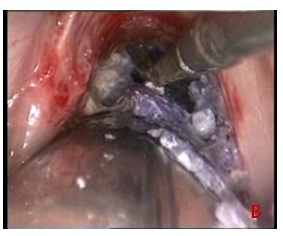
Recovery is hard and painful for the patient. Different endoscopic fistula treatment techniques, such as electrocautery, tissue adhesives, sclerosants, and laser have been reported. Approximately all endoscopic management was performed by bronchoscopy. Some authors reported compensating results with the use of stents or endoscopic gluing . We present a case of endotracheal cuff adhesion, after TEF treatment with histoacrylate and glubran applied around the fistula via esophagoscopy.

View Full Article: HERE

Go through the Journal: http://www.enlivenarchive.org/anesthesiology-open-access/

Contact Us: anesthesia@enlivenarchive.org