Pharmacopolitics, Implications and Implementation in Clinical Studies

Prior to defining pharmacopolitics, one may wonder about this odd associations and relevancy of terminology. The word politics denotes
articulating and resolving conflicts within society without recourse to physical violence. Pharmaco stems from the Greek name Pharmakon/
Pharmacon which entail active ingredients/drug or medicine and is pertaining to pharmaceuticals and pharmacy sciences. Hence, the word
pharmacopolitics joined the politics to medicines-drugs-pharmaceuticals to clarify the study of drug safety and efficacy (difficulties and solutions) in
relation to societal priorities, controversies, health budgets and associated costs. This juxtaposition of the two words emphasizes the significance and
impact of pharmaceuticals on health decisions, health political conflicts and societal health needs and priorities.


View Full Journal: HERE

Go through the Journal: http://www.enlivenarchive.org/pharmacovigilance-and-drug-safety-open-access

Contact Us: pharmacovigilance-drugsafety@enlivenarchive.org
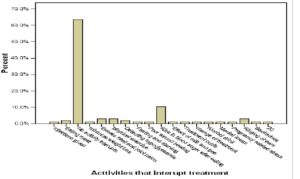
 

Glycaemic Control, and Associated Practices among Diabetic Patients in Private Practice: A Focus on Rubaga Hospital, A Private Tertiary Hospital in Uganda

The control of blood glucose is critical in prevention of complication of diabetes and to improve the quality of life of these patients. However in a setting of patients attending care from a private setting, the access to inexpensive care may be a critical control of diabetes, a life-long chronic illness that requires optimal adherence to nutritional and medication. Such practices may ultimately heighten the financial burden associate with management of diabetes of complications such as hypertension and diabetic foot. In spite of this, the Glycaemic control practices in private health care settings in Uganda have not been well described and thus may negatively impact on the health outcomes.


View Full Article: HERE

Go through the Journal: http://www.enlivenarchive.org/pharmacovigilance-and-drug-safety-open-access

Contact Us: pharmacovigilance-drugsafety@enlivenarchive.org
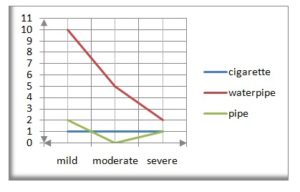
Prevalence of Smoking, and its Relationship with Depression, and Anxiety in a Sample of Iranian High School Students

Psychiatric disorders, like anxiety and depression, are risk factors for drug abuse and smoking behavior. The purpose of this survey was to determine the prevalence of smoking, depression and anxiety and their relationship among school age students. This cross-sectional survey was done on 1020 high school students (male and female) recruited randomly and DSM-IV interview was done by researchers. A psychiatry resident accompanied by 3 last year medical students interviewed with students and a questionnaire containing demographic , anxiety and depression questions was filled simultaneously. The obtained data were analyzed using SPSS16. 50% of the students were female and the remainder male. 277 students (27.2%) were in the first year, 242 (23.7%) in the second year and 501 (49.1%) in the third year of high school. 55 students (5.4%) were smoker and used cigarette , water pipe (hobble bobble) and pipe.183 students (18%) had anxiety and stress symptoms (mild, moderate , sever). The 29 smoker students (2.84%) had anxiety. 144 students (14.1%) had depression (mild, moderate, sever) and 23 smoker students (2.25%) had depression symptoms. There was no significant correlation between smoking and anxiety and depression symptoms among school age students. As conclusion, we hypothesized that smoking may increase the tendency to depression and anxiety in high school students. Although the above results didn’t demonstrate any significant correlation between these three issues, school counselors and teachers need to be informed about the prevalence of problematic behaviors associated with smoking and it would be necessary to develop smoking prevention programs for adolescents, while taking the psychological factors such as depression and anxiety and school and family atmosphere into account.


View Full Article: HERE

Go through the Journal: http://www.enlivenarchive.org/pharmacovigilance-and-drug-safety-open-access

Contact Us: pharmacovigilance-drugsafety@enlivenarchive.org
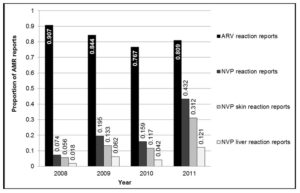


Assessment of Nevirapine-Related Adverse Reaction Reports Received from 2008 to 2011 in Namibia

Nevirapine’s (NVP) pharmaceutical manufacturer recommended the avoidance of NVP in females and males with baseline CD4 counts >250 and >400, respectively. This safety measure was challenged by research results that showed similar proportions of adverse events in high and low baseline CD4 count patients. WHO’s antiretroviral therapy guidelines recommended the use of NVP in patients with CD4 counts < 350. Whether this recommendation would result in increase of NVP-related adverse reaction reports in Namibia was not known. Consequently, the pharmacovigilance centre monitored the NVP-related reaction reports for change in number and severity.


View Full Article: HERE

Go through the Journal: http://www.enlivenarchive.org/pharmacovigilance-and-drug-safety-open-access

Contact Us: pharmacovigilance-drugsafety@enlivenarchive.org
 

The Proactive Pharmacovigilance Clinical Pharmacist: Is it Specialty of its Own

The World Health Organization (WHO) defines pharmacovigilance as “the science and activities relating to the detection, assessment, understanding and prevention of adverse affects or any other possible drug-related problems.”


View Full Article: HERE

Go through the Journal: http://www.enlivenarchive.org/pharmacovigilance-and-drug-safety-open-access

Contact Us: pharmacovigilance-drugsafety@enlivenarchive.org
 

Retrospective Evaluation of Adverse Drug Reactions in a Central Hospital in Malawi

Few studies have reported rates of adverse drug reactions (ADRs) within low-income countries, and the resulting rates are extremely variable. Limited information exists about patterns of ADRs within African countries.


View Full Article: HERE

Go through the Journal: http://www.enlivenarchive.org/pharmacovigilance-and-drug-safety-open-access

Contact Us: pharmacovigilance-drugsafety@enlivenarchive.org
 

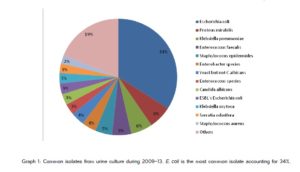
A Review of Empirical Treatment of Urinary Tract Infections Based on National Antimicrobial Sensitivity Data

The Namibia Standard Treatment Guidelines (STGs) recommends empirical antibiotic treatment in patients with signs and symptoms of Urinary tract infections (UTIs). The goal of UTI treatment is to eliminate the bacteria from the urinary tract. Efficacy of empirical antimicrobial treatment of UTI depends on the sensitivity of common microorganisms, the level of the antimicrobial load in the urine and the duration of treatment. The objective of this study was to identify the common uropathogens that cause UTI, describe the sensitivity pattern of common isolates to antibiotics that are used in the treatment of UTI and recommend appropriate antibiotics for the empirical treatment of UTI in Namibia.


View Full Article: HERE

Go through the Journal: http://www.enlivenarchive.org/pharmacovigilance-and-drug-safety-open-access

Contact Us: pharmacovigilance-drugsafety@enlivenarchive.org

The Special Case of Diclofenac

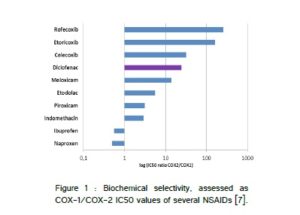
Since rofecoxib was withdrawn from the market in 2005, the controversy keeps going on about the cardiovascular risk of Non Steroidal Anti-Inflammatory Drugs (NSAIDs). With their analgesic, anti-inflammatory, antipyretic and anti-thrombotic properties, NSAIDs are among the most widely used therapeutic agents. They are also known for their side effects: dyspepsia, peptic ulcerations, fluid retention, high blood pressure … The recent revelation of thrombotic events due to the use of coxibs (selective COX-2 inhibitors) has led to a thorough study of this risk with every NSAID. The results have shown that the vascular risks of diclofenac were comparable to coxibs. In 2013, new recommandations have been announced to warn patients and healthcare professionals about the safe use of diclofenac. Beyond these European recommendations, the use of diclofenac should be revised on a worldwide scale since its use is very common in countries such as China and India.


View Full Article: HERE

Go through the Journal: http://www.enlivenarchive.org/pharmacovigilance-and-drug-safety-open-access

Contact Us: pharmacovigilance-drugsafety@enlivenarchive.org

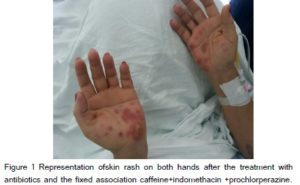
A Case of Steven’s Johnson Syndrome Probably Related to Antibiotic- Indomethacin/Caffeine/Prochlorperazine Coadministration

Steven Johnson syndrome (SJS) is a skin reaction commonly related to drug treatment. In this case we report a woman who developed a Steven Johnson syndrome during antibiotic treatment, probably related to concomitant administration of indomethacin/caffeine/prochlorperazine.


Steven Johnson syndrome (SJS) is a mucocutaneous cell-mediated hypersensitivity reactions, characterized by fever, malaise, facial puffiness, mucous membrane eruptions, skin lesions, vomiting, and skin eruptions [1,2]. In this paper we report a case of SJS during a drug co-administration.


View Full Article: HERE

Go through the Journal: http://www.enlivenarchive.org/pharmacovigilance-and-drug-safety-open-access

Contact Us: pharmacovigilance-drugsafety@enlivenarchive.org

The Role of Pharmacy and Therapeutic Committees in Pharmacovigilance and Drug Safety

The healthcare facilities must have a system incorporated in order to detect, monitor, prevent and report any unsafe use of pharmaceuticals and to track the launch of newer ones. This tracking system can be achieved via the pharmacy and therapeutics committee (PTC) that represents the governing body of pharmaceuticals within any healthcare facility.


The PTC role-functioning is to establish proactive subcommittees for medication safety and drug utilization evaluation. These subcommittees within their term of references can expand their activities and draw action plans for each quarter and evaluate pattern of use of pharmaceuticals across their facilities. Furthermore, their action plan should state clearly the steps to be taken to run post-marketing surveillance for specific drug entities (to elucidate their potential risk) such as biologics, new oral anticoagulants (NOACs), Anti-platelets, anticonvulsants, antidepressants, antipsychotics, antibiotics, insulin, anti-diabetics, heparins, and any drug that poses potential risk to patients. In the absence of system in place, no reporting will take place and no clinical judgment can be obtained on these high-alert drugs.

This role can be strengthened with pharmacovigilance tailored-research. Whereby, real population (not just similar) will be exposed to the drug on hand and specific conclusions pertaining to that population can be drawn and acted upon accordingly. We need more recognition of clinical pharmacists, as they are the most expert clinicians in this field. Supporting this role by organizational policies and bylaws can bring more safety-culture to our patients.

The clinical pharmacists representing the PTC can oversee all safe, economic and rational use of pharmaceuticals across the healthcare facility. The need for clinical pharmacists as leaders in the pharmacy profession will streamline these functions and ensure that pharmacovigilance principles and safe drug use are both in place.


View Full Article: HERE

Go through the Journal: http://www.enlivenarchive.org/pharmacovigilance-and-drug-safety-open-access

Contact Us: pharmacovigilance-drugsafety@enlivenarchive.org