Stem Cells – A Promise to Elixir

Stem cells are pluripotent cells which are having properties to differentiate into different lineages of cells types. Recently stem cells have been doubted in regards of their curative abilities of several diseases. The increasing number of difficulties to treat diseases versus the wait for promising cures creates restlessness among clinicians and patients.


View Full Article: HERE

Go through the Journal: http://www.enlivenarchive.org/stem-cell-research-regenerative-medicine

Contact Us: stemcell-research@enlivenarchive.org

Regenerative Medicine for the Aging Brain

In the central nervous system, cholinergic and dopaminergic (DA) neurons are among the cells most susceptible to the deleterious effects of age. Thus, the basal forebrain cholinergic system is known to undergo moderate neurodegenerative changes during normal aging as well as severe atrophy in Alzheimer’s disease (AD). Parkinson’s disease (PD), a degeneration of nigro-striatal DA neurons is the most conspicuous reflection of the vulnerability of DA neurons to age. In this context, cell reprogramming offers novel therapeutic possibilities for the treatment of these devastating diseases. In effect, the generation of induced pluripotent stem cells (iPSCs) from somatic cells demonstrated that adult mammalian cells can be reprogrammed to a pluripotent state by the overexpression of a few embryonic transcription factors (TF). This discovery fundamentally widened the research horizon in the fields of disease modeling and regenerative medicine. Although it is possible to re-differentiate iPSCs to specific somatic cell types, the tumorigenic potential of contaminating iPSCs that failed to differentiate, increases the risk for clinical application of somatic cells generated by this procedure.


View Full Article: HERE

Go through the Journal: http://www.enlivenarchive.org/stem-cell-research-regenerative-medicine

Contact Us: stemcell-research@enlivenarchive.org

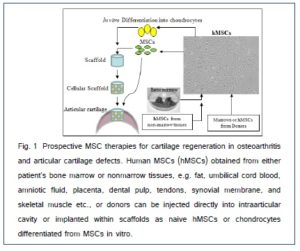
Mesenchymal Stem Cells and Cartilage Regeneration in Traumatic and OsteoarthriticCartilage Defects

Osteoarthritis (OA) affects several hundred million people and is one of the leading causes of disability around the world. Aging is the most influential risk factor for developing OA. Cartilage has a limited ability to spontaneously heal; therefore, it needs surgical intervention in case of cartilage defects caused by traumatic injury or degenerative disease. Due to the shortage of autologous chondrocytes and autografts that require additional defects, adult human mesenchymal stem cells (MSCs), the precursors of chondrocytes, become possible options for cartilage regeneration in traumatic and Osteoarthritic cartilage defects.


View Full Article: HERE

Go through the Journal: http://www.enlivenarchive.org/stem-cell-research-regenerative-medicine

Contact Us: stemcell-research@enlivenarchive.org

The History of Home Hemodialysis and its Possible Revival

Home hemodialysis (HHD)is an underused dialysis modality , even though it provides anefficient and probably cost-effective way to provide more frequent or longer dialysis. With the advent of newer HHD systems that are easier for patients to learn, use, and maintain, patient and provider interest in HHD is increasing.There are three types of hemodialysis that can be performed at home [1-6]. They are:

• Conventional home hemodialysis. This is done three times a week for three to four hours or longer each time. Training may take from several weeks to a few months.


View Full Article: HERE

Go through the Journal: http://www.enlivenarchive.org/nephrology-and-renal-studies-open-access

Contact Us: nephrology-renalstudies@enlivenarchive.org
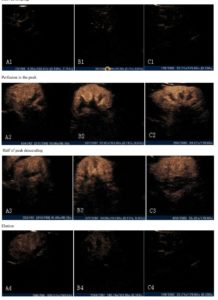
Contrast-Enhanced Ultrasound Quantitative Evaluation of Renal Tissue Perfusion in Early Diabetic Nephropathy

Purpose

Explore the characteristics and change rules of renal tissue perfusion in early diabetic nephropathy, and know about the application value of ultrasound imaging and quantitative analysis technique in evaluation of the renal tissue perfusion in early diabetic nephropathy.

View Full Article: HERE

Go through the Journal: http://www.enlivenarchive.org/nephrology-and-renal-studies-open-access

Contact Us: nephrology-renalstudies@enlivenarchive.org


Does Ultrapure Dialysis Fluid Improve Quality of Life in Hemodialysis Patients?

Introduction: Use of ultrapure dialysis fluid (UPDF) may offer hemodialysis patients advantages over conventional dialysate, including reduced infection risk, preserved residual kidney function, improved nutrition, reduced inflammation and improved anemia. In 2011, a new standard was published which defined differences between standard dialysis fluid and ultrapure dialysis fluid. It’s unclear if these advantages will be seen if UPDF is widely adopted.


View Full Article: HERE

Go through the Journal: http://www.enlivenarchive.org/nephrology-and-renal-studies-open-access

Contact Us: nephrology-renalstudies@enlivenarchive.org
World Kidney Day 2016 – Averting the Legacy of Kidney Disease – Focus on Childhood

World Kidney Day 2016 focuses on kidney disease in childhood and the antecedents of adult kidney disease that can begin in earliest childhood. Chronic
kidney disease (CKD) in childhood differs from that in adults, as the largest diagnostic group among children includes congenital anomalies and inherited disorders, with glomerulopathies and kidney disease in the setting of diabetes being relatively uncommon. In addition, many children with acute kidney injury will ultimately develop sequelae that may lead to hypertension and CKD in later childhood or in adult life. Children born early or who are small-for date newborns have relatively increased risk for the development of CKD later in life. Persons with a high-risk birth and early childhood history should be watched closely in order to help detect early signs of kidney disease in time to provide effective prevention or treatment. Successful therapy is feasible for advanced CKD in childhood; there is evidence that children fare better than adults, if they receive kidney replacement therapy including dialysis and transplantation, while only a minority of children may require this ultimate intervention Because there are disparities in access to care, effort is needed so that those children with kidney disease, wherever they live, may be treated effectively, irrespective of their geographic or economic circumstances. Our hope is that World Kidney Day will inform the general public, policy makers and caregivers about the needs and possibilities surrounding kidney disease in childhood.


View Full Article: HERE

Go through the Article: http://www.enlivenarchive.org/nephrology-and-renal-studies-open-access

Contact Us: nephrology-renalstudies@enlivenarchive.org

 

Risk Management and Quality Assurance Parameters in One Hemodialysis Center: A Clinical and Patient Care Attitude

Introduction and Aims:
In developed countries, 0.07% of population receives chronic hemodialysis. This number is expected to rise. This demand renders risk management
and quality control essential for dialysis management.


View Full Article: HERE

Go through the Journal: http://www.enlivenarchive.org/nephrology-and-renal-studies-open-access

Contact Us: nephrology-renalstudies@enlivenarchive.org
IL-10 Human Gene Polymorphism and Clinicopathological Diversity and Treatment Response in Egyptian Patients with Lupus Nephritis

Background and Aim of Study:
Interleukin-10 (IL-10) is an important immunoregulatory cytokine. Many studies suggesting that a genetically controlled high innate IL-10 production
may predispose to systemic lupus erythematosis (SLE) development. The aim of our study was to investigate IL-10 gene -592 A/C polymorphism
in Egyptian patients with SLE and lupus nephritis (LN) and evaluate the role of lL-10 in the pathogenesis and clinical/pathological diversity of LN.


View Full Article: HERE

Go through the Journal: http://www.enlivenarchive.org/nephrology-and-renal-studies-open-access

Contact Us: nephrology-renalstudies@enlivenarchive.org